Austria's Regulatory Milestones and Their Effects on Virtual Gambling Access
Otto Wolf · Nov 9, 2026
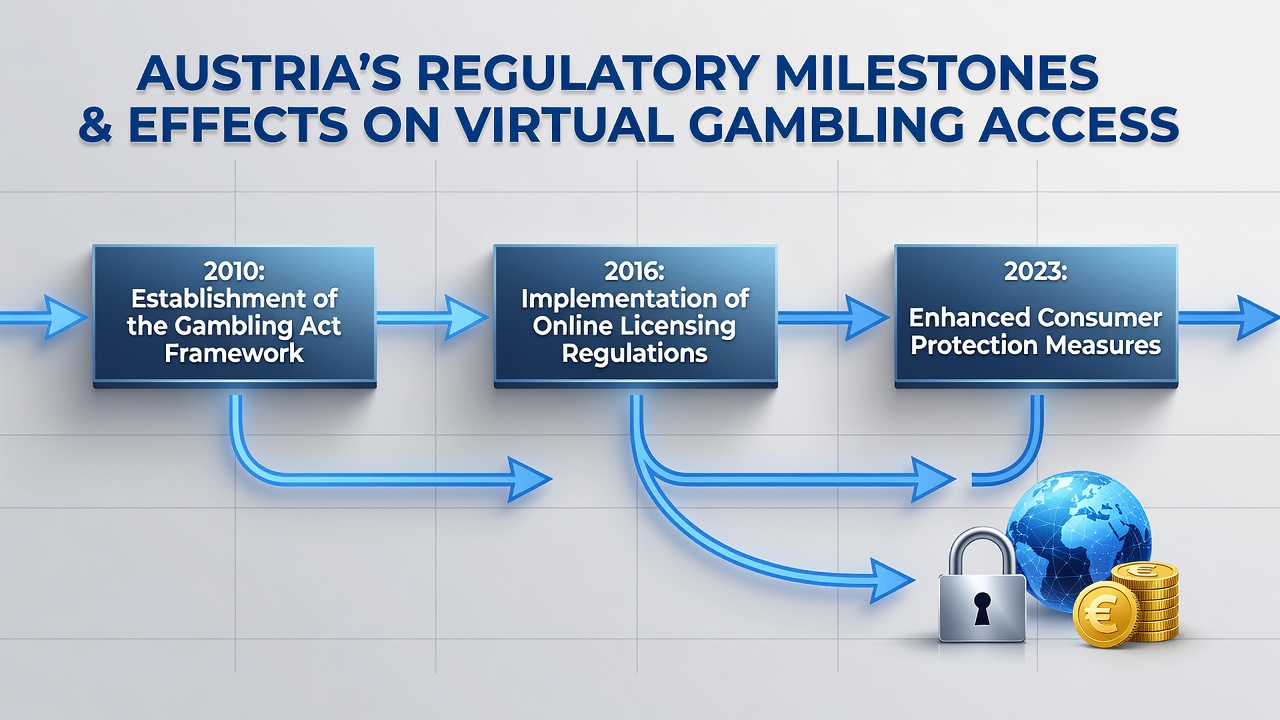
Austria's Regulatory Milestones and Their Effects on Virtual Gambling Access
Austria has developed a structured framework for virtual gambling through successive legislative updates and enforcement actions that directly shape which platforms players can legally reach. The Glücksspielgesetz forms the core statute, and amendments over the decades have introduced licensing requirements, advertising restrictions, and technical measures that limit unauthorized sites while channeling activity toward approved operators. Early foundations trace back to the 1980s and 1990s when land-based monopolies extended into emerging digital spaces, yet online access remained largely unregulated until the first major overhaul arrived in 2010. That revision clarified the state's role in granting concessions and set the stage for later digital-specific rules that required operators to obtain federal approval before offering real-money games to Austrian residents.Key Legislative Developments After 2010
Subsequent changes in 2013 and 2016 tightened player verification standards and introduced blocking mechanisms that internet service providers began applying to unlicensed domains. Researchers at European gaming institutes note these steps reduced the number of accessible foreign sites while increasing traffic to the handful of domestically licensed platforms. Data from industry reports show a measurable shift in user behavior as geo-fencing and payment processor compliance became standard requirements.
By the early 2020s authorities added further layers around responsible gaming tools, mandatory deposit limits, and centralized player registries. These measures altered how virtual casinos could market services and process transactions, effectively narrowing the pool of operators willing to navigate the compliance burden. Observers note that smaller international brands often withdrew from the market rather than invest in the required technical integrations.
Impact on Player Access and Market Structure
Access patterns changed noticeably once enforcement intensified. Licensed operators gained exclusive rights to advertise and accept Austrian players, while unlicensed sites faced increasing barriers through domain blocks and financial restrictions. Figures from regulatory filings indicate that the share of activity routed through approved channels rose steadily, although some players continued seeking workarounds via VPNs until those too became subject to scrutiny.
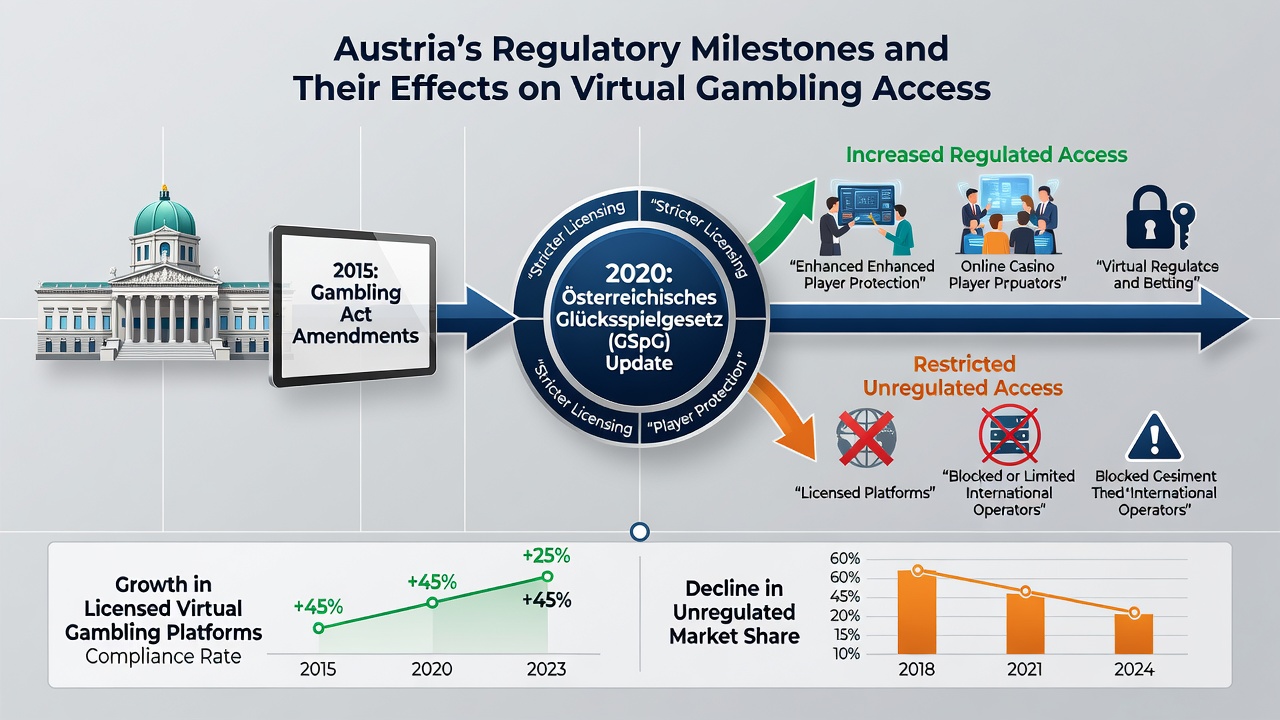
Payment methods also came under tighter control as banks and e-wallet providers aligned with new rules that prohibit processing transactions with unapproved gambling entities. This development forced players toward recognized local options and reduced the convenience of offshore alternatives. Studies from academic centers tracking EU gambling markets document corresponding drops in cross-border transaction volumes originating from Austria.
Upcoming Adjustments and November 2026 Timeline
Authorities have scheduled a comprehensive review of existing concessions and technical standards for November 2026. The process is expected to evaluate whether current licensing volumes match demand, whether additional operators can enter under updated criteria, and how enforcement tools should evolve to address emerging technologies such as cryptocurrency wallets and decentralized platforms. Government announcements indicate that any revisions will take effect gradually rather than through abrupt market disruption.
Industry associations across the EU have begun preparing submissions that compare Austria's approach with frameworks in other member states, highlighting differences in concession duration, tax rates, and player protection thresholds. These comparisons may influence the final shape of the 2026 adjustments and the resulting level of legal access available to residents.
Conclusion
The cumulative effect of Austria's regulatory milestones has been a progressive tightening of virtual gambling channels that favors licensed domestic operators while constraining unauthorized alternatives. Each legislative step built upon the previous one, creating a layered system of verification, blocking, and financial controls that continues to define the boundaries of legal access. The November 2026 review will mark the next point at which those boundaries could shift based on accumulated data and stakeholder input.